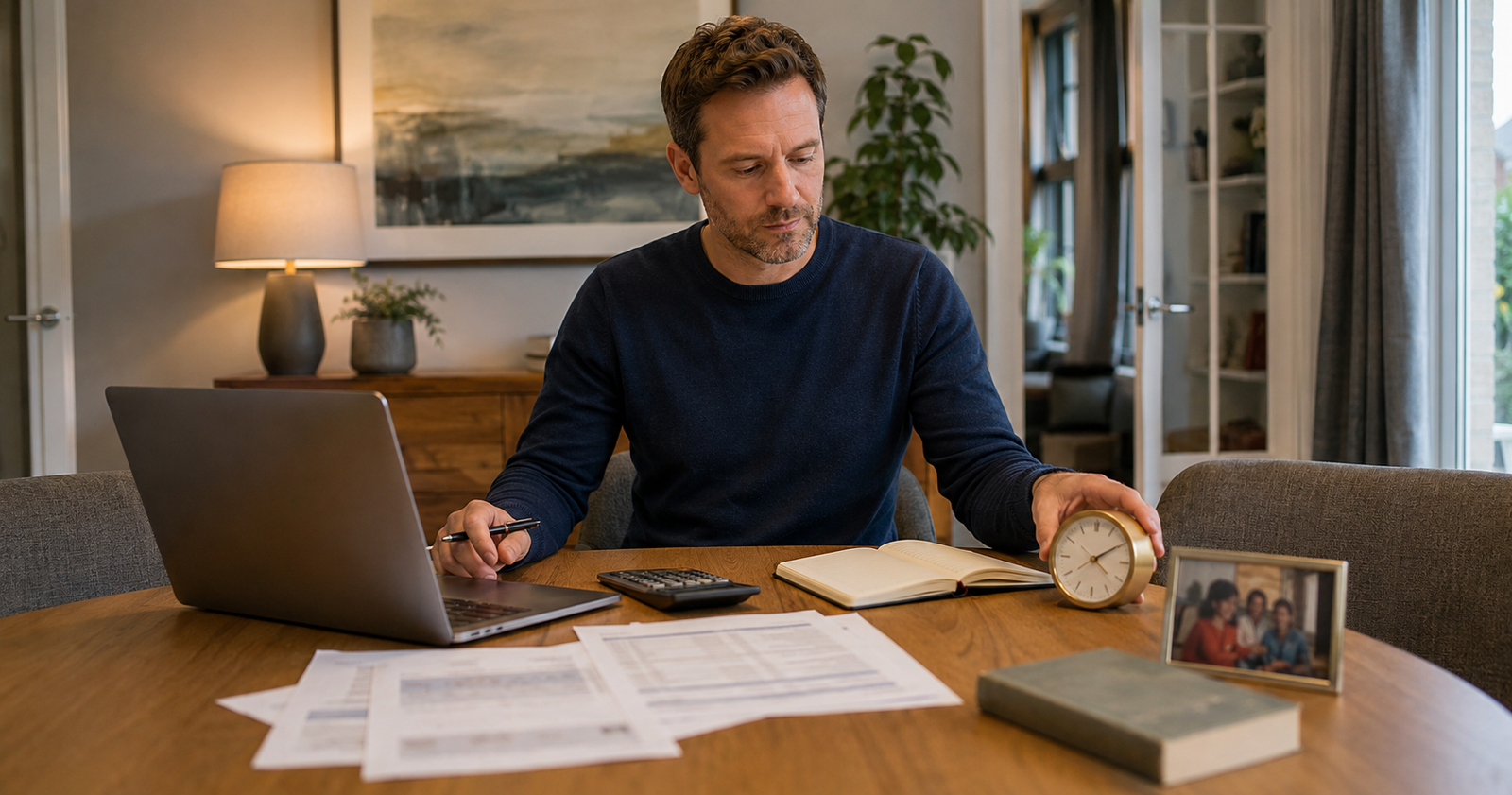

Would you rather have more money or more free time? It sounds like a simple choice until real responsibilities enter the calculation. Extra income could reduce debt, improve housing, strengthen savings, or provide experiences that are currently unaffordable.
More free time could mean better sleep, stronger relationships, regular exercise, personal projects, or simply a life that feels less rushed. Yet time is difficult to enjoy when basic bills remain unpaid, and additional money may come at the cost of longer hours and greater stress.
If you could improve only one side of that tradeoff, which would make the greatest difference to your life? Consider your present circumstances, then cast your vote.
Why Many People Would Choose More Money
Money affects far more than spending power. It can provide stability, privacy, mobility, healthcare, education, safer housing, and protection from unexpected expenses.
For someone struggling with rent, food, childcare, debt, or medical costs, choosing additional free time may feel unrealistic. Unpaid time does not solve an overdue bill.
More money can also create freedom later. A higher income may allow a person to build an emergency fund, contribute more toward retirement, reduce working hours in the future, or pay for services that remove unwanted tasks.
Financial insecurity consumes mental attention. Even when someone technically has leisure time, that time may not feel restorative if it is filled with worry about expenses.
The argument for money is therefore not necessarily materialistic. For many people, the goal is not luxury but control: the ability to handle emergencies, make choices, and avoid depending on every paycheck arriving exactly on time.
Why Other People Would Choose Free Time
Income can be earned, saved, lost, and rebuilt. Time cannot be recovered once it has passed.
People may choose free time because they already earn enough to meet their essential needs but have little opportunity to enjoy their lives. Long hours, commuting, household work, and caregiving can leave only small fragments of usable personal time.
Additional free time could support:
- Sleep and physical health
- Relationships with partners, children, and friends
- Exercise and outdoor activity
- Creative or educational goals
- Community participation
- Rest without an immediate purpose
- Care for children or older relatives
Time also affects the quality of experiences money can purchase. A person may be able to afford travel, hobbies, or restaurant meals but lack the time and energy to enjoy them.
The US Bureau of Labor Statistics found that adults aged 35–44 averaged 3.9 hours of leisure and sports activity per day in 2025, less than any other adult age group. That broad category includes television and other activities, so it should not be interpreted as four hours of completely unrestricted personal time. The American Time Use Survey provides a fuller view of work and leisure patterns.
What Research Says About Time and Happiness
Research does not show that time always matters more than money. The relationship depends heavily on whether a person has enough income to meet essential needs and reduce serious financial stress.
However, several studies suggest that people who place greater value on time can experience higher well-being under certain circumstances.
A longitudinal study published in Science Advances followed graduating university students as they made major life decisions. Those who prioritized time over money were more likely to choose activities they found intrinsically rewarding and reported greater happiness one year after graduation. The association remained after the researchers accounted for factors including initial happiness and socioeconomic background. Readers can examine the study on valuing time, money, and happiness.
Another study published in the Proceedings of the National Academy of Sciences examined “time-saving purchases,” such as paying someone to complete an unwanted household task. In an experiment, working adults reported greater happiness after spending money on a time-saving service than after buying a material item. Review the research on how buying time may promote happiness.
These findings do not mean everyone should reduce their income. They suggest that money can sometimes improve well-being most effectively when it protects or creates useful time.
Free Time Is Not Always Truly Free
When people debate more money or more free time, they may imagine free time as relaxed and enjoyable. In practice, hours away from paid employment may be filled with cooking, cleaning, appointments, school runs, unpaid caregiving, or administrative tasks.
The UK Office for National Statistics measures paid work, unpaid household labor, care, travel, and entertainment separately because not all non-work hours function as leisure. Its UK time-use data demonstrate how many competing activities must fit within each day.
A shorter working week may provide little relief if a person’s unpaid responsibilities remain unchanged. Similarly, remote work may remove commuting time but blur the boundary between employment and home life.
The quality, predictability, and control of free time may matter as much as the number of hours.
The Best Choice May Change Over a Lifetime
A person’s answer can change with age and circumstances.
Someone beginning a career may prioritize income to repay education costs or establish a home. A parent of young children may value flexible hours. A person approaching retirement may prefer less work even if it means accepting lower pay.
Health can change the calculation quickly. So can unemployment, divorce, caregiving, a new child, housing costs, or a demanding promotion.
The source of the additional money matters too. A higher salary without longer hours is different from overtime that eliminates weekends. Likewise, free time with full pay is different from reducing work because no paid hours are available.
Before choosing, it helps to ask:
- Are my essential expenses covered?
- Would extra income reduce serious stress?
- How would I obtain the additional money?
- Would the free time be predictable and under my control?
- What would I actually do with those hours?
- Which resource is currently limiting my life most?
Neither choice is automatically wiser. The value of money depends partly on what it enables, while the value of free time depends on how it can realistically be used.
What Do You Think?
What would you do with the additional income or time, and why would that change your life more than the alternative?
Choosing more money or more free time is ultimately a decision about what is currently scarce. Money can provide security, choices, and future freedom, while time can protect health, relationships, and experiences that cannot be postponed indefinitely. If you have not voted, select the option closest to your present priorities and respectfully explain what shaped your decision.